
Sustainable Finance: What can the financial sector do to better manage environmental and social risks?
In January 2018, Larry Fink, the CEO of BlackRock published an open letter to the CEOs of publicly traded companies. His message was clear, companies have a responsibility to deliver profit, and make “a positive contribution to society.” Failure to do the latter comes at the risk of losing its license to operate. Consumers can influence through decisions to purchase products from companies that value broader corporate goals of environmental impact, workforce diversity, and community engagement. What may come as a surprise statement from a private equity fund with $6 trillion under management is increasingly the de facto market standard.

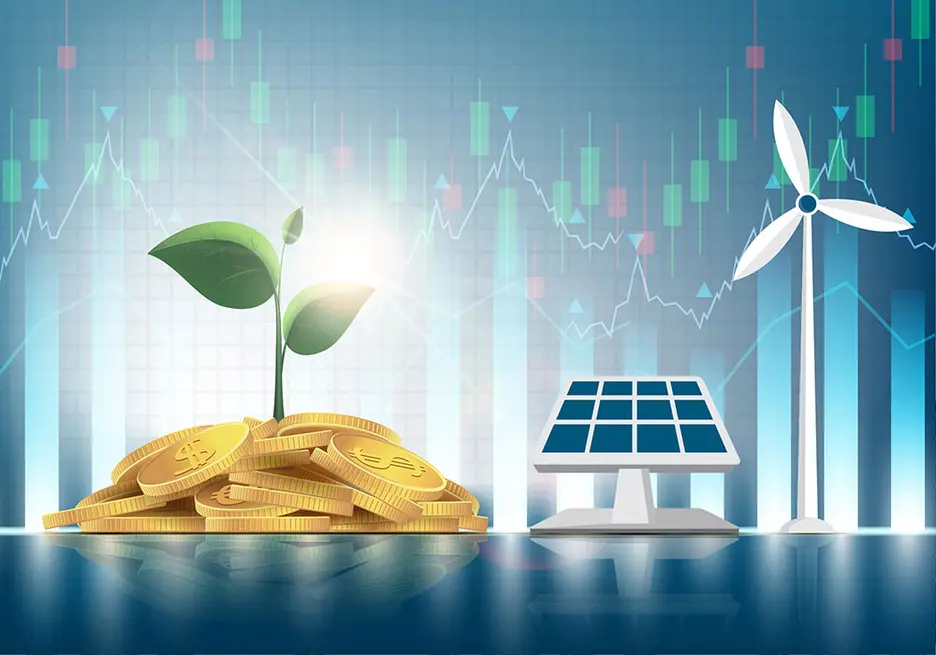
Financial performance is correlated with environmental, social and corporate governance (ESG) factors. The plethora of sustainability indices from Dow Jones to Bovespa underscores the point that companies’ performance is evaluated across financial and non-financial indicators. This “sustainability premium” accounts for individual corporation’s abilities to better manage risk and take advantage of new market opportunities.
The relevance of sustainability to the financial sector is about channeling funds to companies that demonstrate an ability to seize new market opportunities and ensuring that companies in high-risk sectors adequately manage the associated environmental and social risks.
Banks that finance high-risk sectors are exposed to both credit and reputational risks. Loans that generate social opposition or cause environmental damage can face repayment delays and tarnish the client and the financier’s image. NGOs and other civil society actors have actively targeted banks for financing investments that result in widespread deforestation, community resettlement, habitat loss, or other irreversible environmental damages.
For the financial sector, financial risk, reputational risk, and a desire to help define solutions paved the way for the creation of the Equator Principles (EPs) in 2003. Nowadays, the EPs have been adopted by 92 project finance banks, which represent roughly 70% of the global project finance market. With leadership from banking associations, multilateral development banks, governments and civil society, the financial sector is defining policies, standards, and tools that help convert sustainability into a core business strategy for banks, funds, and asset managers, to better manage risk and build client capacity along the way.
How can banks identify these risks?
There are five main factors to help identify environmental, social and governance risks at banks:
- Implement an Environmental and Social Management System: This can flag individual project or client concerns, and make sure the risks are well known and mitigated in deciding whether to finance.
- Evaluate systemic risk: this can be sector-wide and can have a far more significant impact on a portfolio. Climate change is the most obvious where changing weather patterns can affect an entire sector (e.g drought leads to crop failure) or a catastrophic event irreparably impairs particular investments (e.g. 100-year flood destroys low elevation factory). Accounting for systemic risks and diversification helps avoid the presence of ‘stranded assets’ within a portfolio.
- Invest in technology: many banks are turning to low-cost technology to help identify environmental risks and better management tools. These include mapping systems, real-time monitoring, data sharing, and satellite imagery. A good example is GFW Pro, a tool developed by the World Resources Institute (WRI) with support from IDB Invest. (watch a video here)
- Conduct research: banks are undertaking environmental research in better analysis credit risk. Increasing amounts of publicly available sustainability information, environmental data, rating tools and guidance, has helped give bankers better ways to understand environmental and social impacts and incorporate these into their investment decisions.
How operationalize environmental and social standards?
In order to manage these risks, banks can develop institutional strategies that define what they will and will not finance. It is now standard practice for banks to have a corporate environmental policy that guides investment decisions. Many banks have also taken this further by developing sector-specific policies in high-risk sectors that give specific guidance on what a bank considers acceptable or not. With senior-level commitment and corporate environmental policies, banks develop Environmental and Social Management Systems (ESMS), which translate policies into specific procedures within a bank’s operations.
IDB Invest has been providing our banking clients tailored training, guides and tools to define sustainability strategies and implement Environmental and Social Management Systems. The evolution we have seen is positive, but we have a long way to go. Banks now rely on three main strategies:
- Sophisticated “Know your Client” approaches that are incorporated into an integrated ESMS process, allowing financial institutions to move away from an individual project approach and to focus on corporate commitment, capacity, and track records.
- Collaboration with the wider banking sector to develop voluntary standards at a national and international level - Banks can benefit from financial sector initiatives and roundtables (e.g. FEBRABAN in Brazil, Mesa de Finanzas Sostenibles in Paraguay or the Protocolo Verde in Colombia).
- Early detection of environmental and social risks using technology, such as satellite monitoring platforms that are incorporated into management systems. While focused principally on risks, satellite imagery with time can help also define new opportunities for additional financing and growth.
However, there is still some work to do. Banks need to recognize the intrinsic costs associated with inadequate management of environmental and social risks and be aware of the potential upsides to their business associated with a sustainable finance strategy.
Banks that have established a clear sustainability strategy and incorporated this vision into a management system to help identify and manage risks, are now far better positioned to succeed in seizing sustainability opportunities. S&P research indicates the market for green bonds alone will grow by 30% to US$200 million in 2018 compared to the previous year. Moreover, green bonds were valued at just $13 million in 2013.
Authors

Colin McKee
Colin McKee es oficial ambiental y social de BID Invest en Washington, D.C. Colin trabaja con intermediarios financieros (IFs), energía renovable y clientes agroindustriales, y ofrece servicios de asesoramiento para una mejor gestión de los riesgos y oportunidades medioambientales. Más recientemente, su trabajo ha explorado el uso de imágenes satelitales y visualización de datos para manejar el riesgo de cartera de instituciones financieras, particularmente relacionado con la deforestación. Antes de ingresar al Grupo BID, Colin fue consultor de sostenibilidad para PwC en Londres, trabajando con clientes en materia de financiamiento sostenible, evaluación del impacto socioeconómico y cambio climático. También ha trabajado extensamente como consultor para la CFI y el Programa de Medio Ambiente de las Naciones Unidas. Colin tiene una maestría conjunta en Economía Internacional de Johns Hopkins School of Advanced International Studies (SAIS) y un MBA de la Escuela de Negocios francesa INSEAD.

Gabriel Azevedo
Luiz Gabriel Todt de Azevedo (Gabriel Azevedo) is the Managing Director of the Social Environmental and Governance Division of IDB Invest. During his 35+ year career in international development, the private sector, academia, and civil society, he has developed a unique perspective on strategic leadership, political economy, partnerships, and collective action. He has held various leadership positions, including seven years as Managing Director of the Environmental, Social and Corporate Governance (ESG) Division at IDB Invest. He has worked in development projects in more than forty-five countries, focusing on areas such as energy, water supply and sanitation, natural resource management, agribusiness, social innovation, and environmental management. He has worked in renowned institutions such as the World Bank, the World Wildlife Fund for Conservation (WWF), and Construtora Norberto Odebrecht.
Gabriel served as Board Member and Member of the Financing and Audit Committee of the Brazilian Biodiversity Fund (FUNBIO). He was Vice Presidente and President of Brazilian Water Resources Association (ABRHidro) and seats on its Consultative Board. He is also an observer to the Board of the International Hydropower Association (IHA). He has received numerous awards in recognition of his professional achievements. Additionally, he has published numerous articles, short papers, blogs, and book chapters in his field of expertise.
Gabriel is a civil engineer from the Federal University of Bahia in Brazil and holds a M.Sc. and a Ph.D. in Civil Engineering - Hydrology and Water Resources Management from Colorado State University.
LIKE WHAT YOU JUST READ?
Subscribe to our mailing list to stay informed on the latest IDB Invest news, blog posts, upcoming events, and to learn more about specific areas of interest.
SubscribeDevelopment Impact
Related Posts

What Drives Business Growth in Colombia? Six Key Factors
Initial capital has long been understood as a driver of business growth, but in Colombia, how much capital is needed to grow?

Sustainability Week 2026: Turning Sustainability Commitments into Bankable Investments
A globally recognized platform connecting investors with high-impact projects across Latin America and the Caribbean. Register and join online on May 26-28.
Mi Ruta: Building Career Readiness for Young Women in Miches
In Miches, Dominican Republic, the Mi Ruta program equips young women with practical skills and provides mentorship to strengthen their professional development and ease their entry into the job market.