
What is one of the most important factors in securing the future of family business in Latin America?
* By Rebeca White Sanchez, Operations Senior Specialist IIC, and Helga Flores, Principal IIC External Relations Advisor
Corporate Governance has become a buzz term in the last decade. Why do we talk about it so much? A study performed by corporate governance experts Ira Millstein and Paul MacAvoy found that companies rated A+ in governance earned an average of 25% more than F-rated companies. So, is your family business leaving money on the table? Let’s focus on how governance translates into tangible benefits for your small or medium-sized family enterprise.

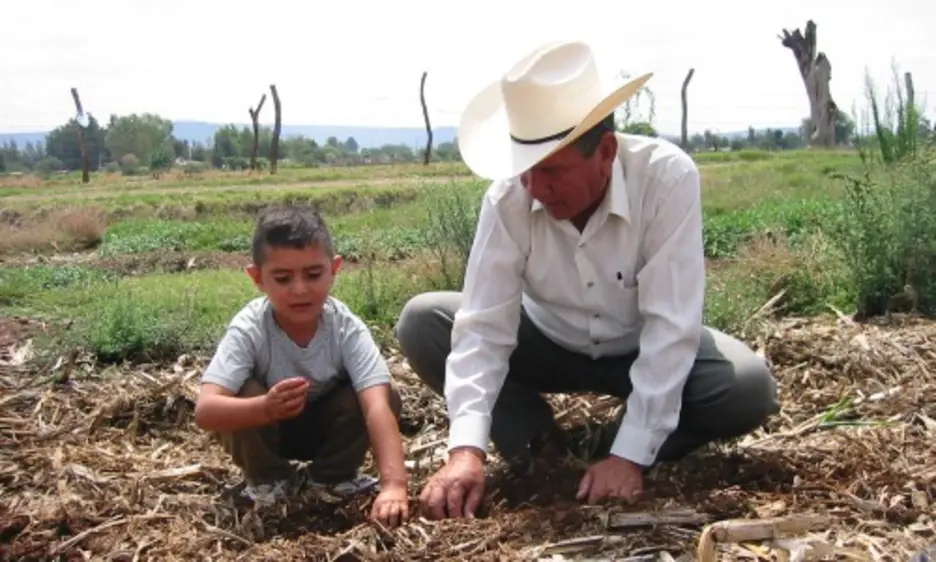
 Only 3% of family-owned companies worldwide survive into the fourth generation. Considering the majority of Latin American businesses are family owned, this is a staggering statistic. This lack of continuity is often due to the absence of a clear governance framework within the company. Defining these structures is difficult enough without the added complexities of a family-owned business.
Family members often resist properly addressing the issue of succession planning until it’s too late. Good corporate governance is key to risk-management, and determining the right succession plan for a smooth transition of the company’s key leadership team is an important step for its survival into later generations and its long-term sustainability.
For many family businesses, the breakdown comes when informal conversations between family members stand in for more formal arrangements. Conversations about corporate governance that involve all family and non-family stakeholders and result in formal guidelines for running the business can be an effective way to ensure the company has a roadmap for generations to come.
Over the course of a decade, the Organization for Economic Co-operation and Development (OECD) conducted research finding that Latin American companies that invest in developing their corporate governance structures see significantly better operational and market results than their peers. The studies were able to correlate formal corporate governance with positive indicators such as higher profitability, and lower funding costs.
Referring to what it calls the “Family Business Edge,” the OECD concluded that family-owned businesses can outperform their non-family-owned peers so long as shareholder and management interests are aligned. They suggest that good governance can provide this alignment.
Panama has recently taken some important steps toward good corporate governance, including establishing the Instituto de Gobierno Corporativo - Panama in 2008. This non-profit organization is intended to be Panama’s guiding light on corporate governance best practices. A 2009 corporate governance survey also conducted by the OECD found that 82% of Panamanian companies that participated had adopted some organizational code of conduct, while 70% had funds budgeted for implementing corporate governance practices. Still, family businesses in Panama have a ways to go when it comes to corporate governance. According to the survey, 66% of family-owned companies in Panama do not have formal family protocols or governance codes. Businesses participating in the annual international IIC Family Governance Symposium this week in Panama City may be the catalyst for changing this statistic.
Corporate Governance Symposium offered by the IIC from IDB Invest - BID Invest on Vimeo.
For more info visit: http://www.iic.org/en/corporate-governance
Sources: http://www.oecd.org/daf/ca/corporategovernanceprinciples/43654500.pdf
Authors

Autor invitado
LIKE WHAT YOU JUST READ?
Subscribe to our mailing list to stay informed on the latest IDB Invest news, blog posts, upcoming events, and to learn more about specific areas of interest.
SubscribeFinancial Institutions
Related Posts

Governance and Succession: Securing the Future of Mexico’s Nonbank Financial Institutions
IDB Invest study: key findings and a roadmap to strengthen governance and CEO and senior management succession planning in nonbank financial institutions (NBFIs).

Facing the Storm: How IDB Invest Supports Caribbean Private Sector Resilience
IDB Invest is partnering with the Green Climate Fund to help Caribbean businesses better withstand future climate shocks through blended finance and technical assistance.

Reimagining the Future of Finance in Latin America and the Caribbean
At the FinnLAC Forum 2025 in Miami, the IDB Group hosted over 500 industry leaders and experts to help redefine the future of finance in Latin America and the Caribbean. The event focused on improving the ability of individuals and companies to better manage their finances, withstand economic shocks, and invest in their long-term prosperity. By highlighting innovations that broaden access, strengthen resilience, and promote overall financial health, the forum set the stage for more sustainable financial systems across the region.