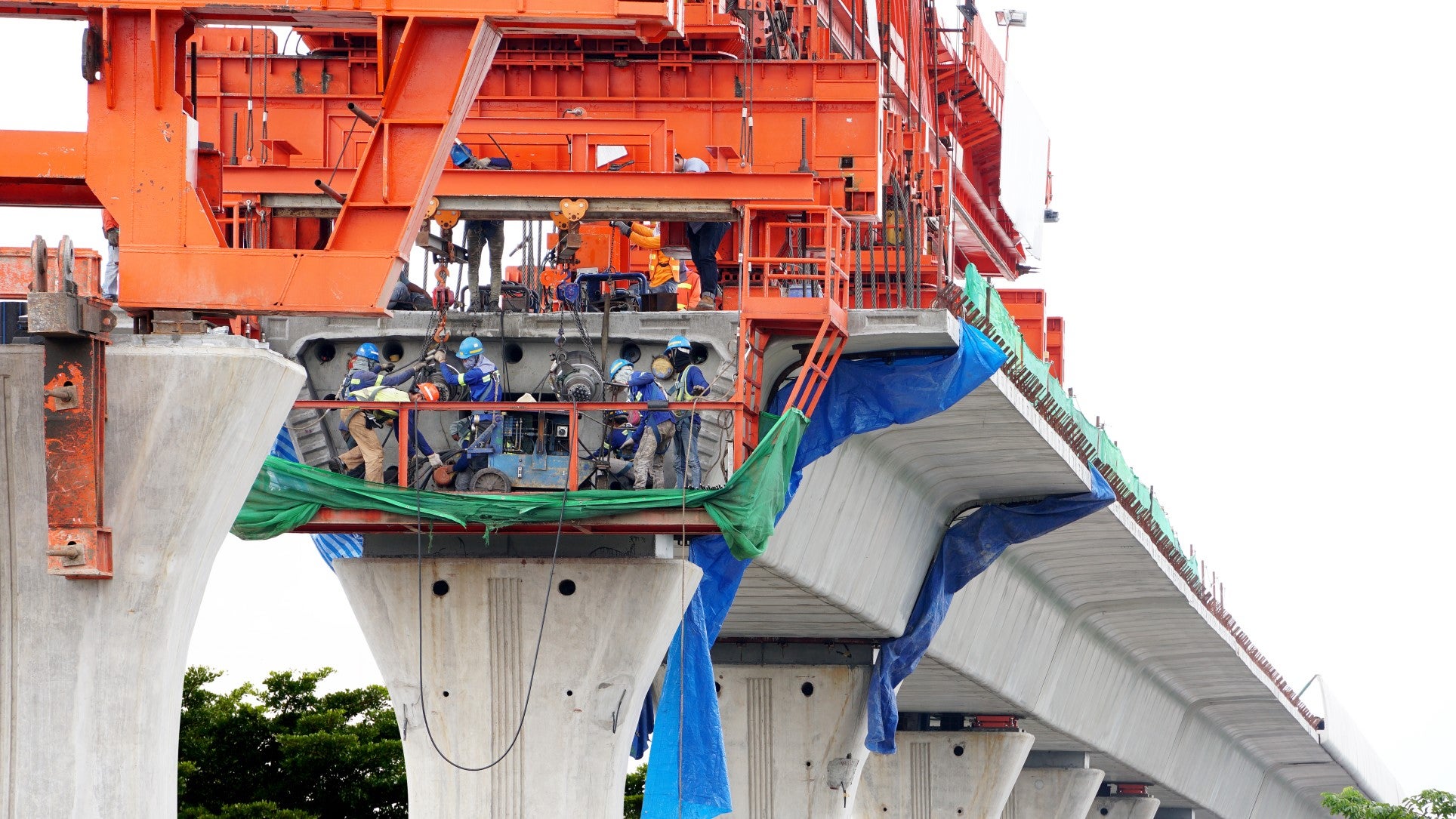
Investing in Urban Transport Means Improving People’s Lives
The key for investing in more sustainable, accessible public transportation lies in understanding how such investments have impacted people’s lives–beyond travel time savings.


Latin America and the Caribbean is the most urbanized developing region in the world, with 8 out of 10 people living in cities; residents increasingly own cars, leading to high levels of traffic congestion, accidents, and pollution.
Public transit systems are overstretched, and in many cities, the proliferation of mini-bus operators make for unsafe, chaotic commutes. Accessing efficient, affordable transportation options is even more difficult for the 20 percent of urban dwellers (125 million people) living in slums.
At the same time, faster mobile broadband connections, increased smartphone accessibility, and other technologies are powering innovation in transportation. Just think about how quickly app-based ride-sharing platforms have reshaped urban mobility, and how, more recently, digital logistics platforms such as Colombia’s Liftit are helping make “last mile” trucking deliveries more efficient in congested urban areas.
What the evidence shows
The need for investing in more sustainable, accessible public transportation options is clear. However, to better guide urban transport investment decision making, for both the public and private sectors, understanding how such investments have impacted people’s lives–beyond travel time savings–is key.
A recent study published by IDB Invest and the IDB reviews the available evidence quantifying the socioeconomic impacts that can be attributed to urban transport investments around the world. For example, studies have shown that building metros and Bus Rapid Transit (BRT) systems can have important effects on women’s employment by providing safe and reliable commuting options enabling them to access a broader range of job opportunities.
Likewise, urban transport investments can pay dividends in terms of human welfare. In La Paz, Bolivia, thanks to this mountainous city’s aerial cable car system, a recent study found that people report spending less time commuting and more time on education and recreational activities. Similarly, in Medellin, Colombia, murder rates decreased in neighborhoods once they were connected to the city’s cable car network.
There is also evidence demonstrating air pollution and health effects. For example, a study conducted around the opening day of the new metro in Taipei, China, found that CO2 air pollution went down by 5 to 15 percent, thanks to fewer car commuters.
Private sector solutions reshape urban transport
As with other areas, transport is experiencing its own digital transformation. It’s impossible to think about urban transport today without considering how it’s been affected in recent years by the ride-sharing wave, the impact of which is still up for debate.
Ride-sharing platforms such as Uber, Lyft, and Cabify are praised for fostering flexible job creation, especially during economic crises, and at the same time criticized for the types of “gig economy” jobs they’re creating, which don’t offer drivers benefits or protections.
There’s also an open discussion on whether ride-hailing companies are displacing other ways of getting around. Are people less likely to take public transport, such as a metro or bus, if ride-sharing apps can provide convenient door-to-door service? And what does this mean for traffic congestion?
At IDB Invest, we’re interested in understanding how ride-sharing can better serve communities with limited access to public transportation. We also see opportunities for ride-sharing models to improve women’s employment and incentivize sustainable mobility through the adoption of electric vehicles.
It’s also exciting to see how ride-sharing companies continue to evolve and launch complementary services. For example, in 2018, IDB Invest provided financing to Cabify–Maxi Mobility to not only support its growth plan in the region, but also the development of its fintech platform, Lana. Starting as a way to process payments, this new service will provide credit to the company’s drivers, using data captured on driver behavior by the Cabify platform to assess creditworthiness.
Other transport innovations in the region
Ride-sharing is just one of many urban transport innovations emerging in the region. Other examples are e-scooter companies, such as MOVO, available in Mexico, Chile, Peru, and Colombia. Also, cities such as Bogotá, Colombia have introduced electronic transit cards, allowing the city to address affordability constraints for the poorest residents through targeted fare subsidies.
The horizons of passenger transport options are expanding. At IDB Invest, we’re excited to keep working to support investments in urban transport infrastructure and mobility innovations in our region’s cities and to better capture the impacts for the people who live in them.■
* For more information, see the study, Urban Transport in Latin America and the Caribbean: Lessons and Challenges, part of IDB Invest’s “Development through the Private Sector” Series.
Authors

Guillermo Mulville
Guillermo leads the Telecommunications, Media and Technology (TMT) Team at IDB Invest, which he joined in 2016. He is responsible for developing business strategies and plans, and for managing clients and structuring the transactions of the TMT sector in Latin America and the Caribbean. Before joining the IDB Group, he worked at the International Finance Corporation (IFC) for more than nine years, as Head of the TMT sector for Latin America and the Caribbean. He previously worked at ABN AMRO Bank for 12 years. He was Enron International’s Global Finance Manager for two years. He served as board member of Pan-African and Pan- American companies engaged in broadband and cell tower distribution and infrastructure, with portfolios in various countries in Latin America and the Caribbean. Guillermo earned a master’s degree in finance from Universidad del CEMA and a professional degree in business administration from Universidad de San Andrés (both in Argentina).
LIKE WHAT YOU JUST READ?
Subscribe to our mailing list to stay informed on the latest IDB Invest news, blog posts, upcoming events, and to learn more about specific areas of interest.
SubscribeDevelopment Impact
Related Posts

Sustainability Week 2026: Turning Sustainability Commitments into Bankable Investments
A globally recognized platform connecting investors with high-impact projects across Latin America and the Caribbean. Register and join online on May 26-28.
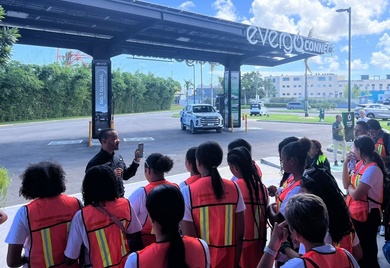
Mi Ruta: Building Career Readiness for Young Women in Miches
In Miches, Dominican Republic, the Mi Ruta program equips young women with practical skills and provides mentorship to strengthen their professional development and ease their entry into the job market.
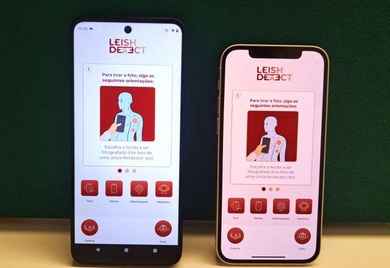
Artificial Intelligence for Health Care: Diagnosing Tropical Diseases in Remote Amazon Regions
Artificial intelligence (AI) is transforming the global health landscape, particularly in remote Amazon regions, where a new technology can diagnose cutaneous leishmaniasis using a cellphone without requiring an internet connection.