
Artificial Intelligence for Health Care: Diagnosing Tropical Diseases in Remote Amazon Regions
Artificial intelligence (AI) is transforming the global health landscape, particularly in remote Amazon regions, where a new technology can diagnose cutaneous leishmaniasis using a cellphone without requiring an internet connection.

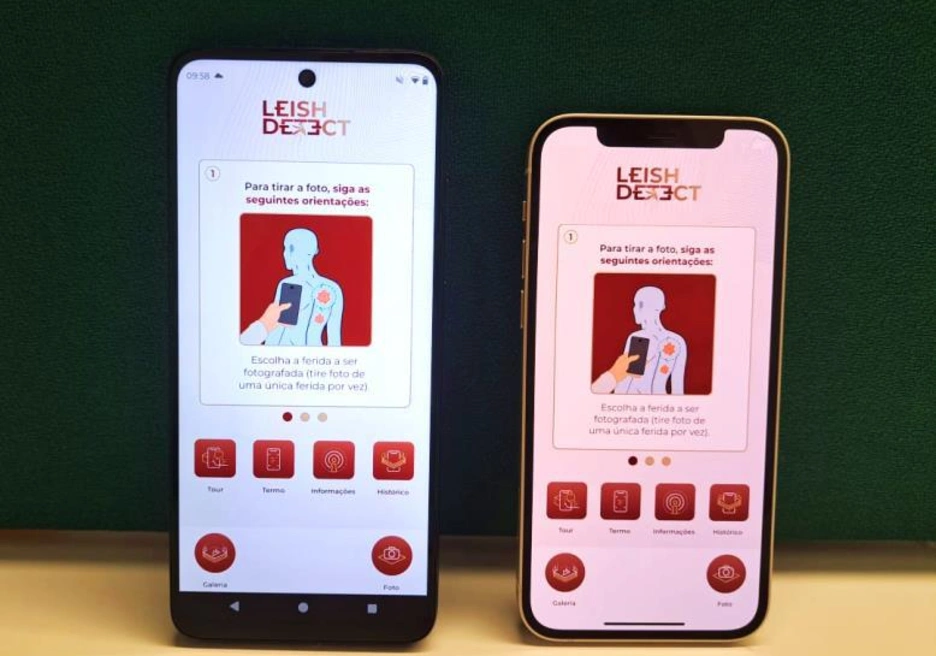
A groundbreaking initiative led by Hospital Israelita Albert Einstein and Brazil’s Fundação de Medicina Tropical, supported by IDB Invest and financed by the government of Spain, developed an AI-based diagnostic model for cutaneous leishmaniasis. The system works entirely offline, a vital feature for remote areas of the Amazon.
Weather and Health Nexus
Natural disasters intensify the spread of vector-borne and zoonotic diseases. Environmental conditions drive most tropical diseases, including Cutaneous Leishmaniasis.
Cutaneous leishmaniasis, a parasitic skin infection transmitted by the bite of a sandfly, ranks as the seventh most significant tropical disease, according to the World Health Organization. A total of 89 countries recognize it as a public health threat, 19 of them in Latin America and the Caribbean.
Long distances, limited infrastructure, and a shortage of trained professionals often delay or prevent accurate diagnosis. Early diagnosis can enhance health outcomes for effective treatment; this is where artificial intelligence (AI) becomes a game-changer.
AI as a Lifeline for Remote Health Care
Advances in deep learning and machine learning are transforming medical imaging, enabling AI systems to detect diseases with remarkable precision. AI is particularly well-suited to accelerate and improve the diagnosis of many tropical diseases that manifest through visible skin lesions.

Einstein Hospital Israelita’s AI model for diagnosing cutaneous leishmaniasis has proven to be highly accurate. By training on a balanced set of positive and negative images, the system achieved over 90% sensitivity, outperforming current state-of-the-art approaches. The result: faster, more accurate diagnoses, reduced workload for medical teams, and a critical step toward equitable access to health care in vulnerable regions.
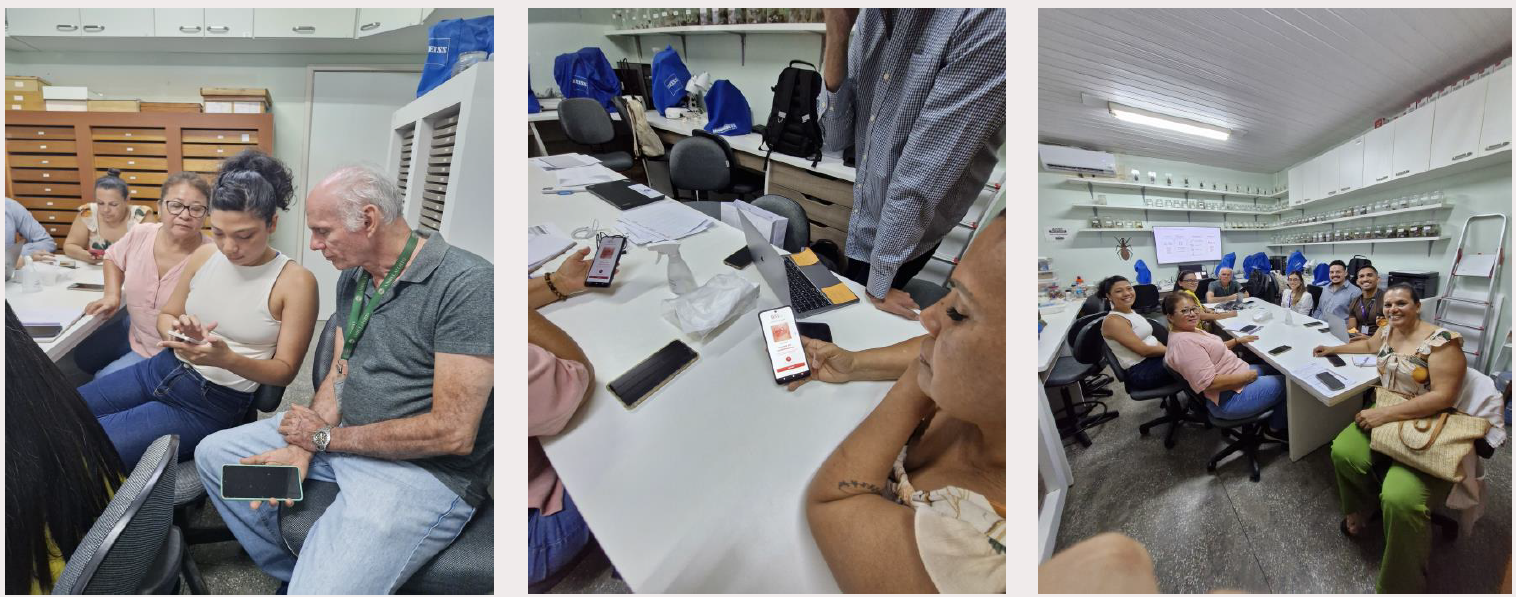
Training session for professionals on using the leish Detect application at the Fundação de Medicina Tropical.
Evidence-Based Innovation for the Amazon
This initiative aligns with Amazonia Forever, launched by the IDB Group in 2023, a regional coordination program that has mobilized $1.2 billion from partners and catalyzed over $5.3 billion in IDB Group financing to promote sustainable and resilient development across the Amazon Basin.
Amazonia Forever mobilizes financing, fosters strategic knowledge-sharing, and enhances regional cooperation to support adaptation and human well-being. Within this framework, the AI-leishmaniasis project stands as a model of evidence-based innovation, showing how technology and science can address emerging health challenges.
Innovation for Amazon Resilience: A Call to COP30
As the world focuses on COP 30 in Belém, we gain a unique opportunity to showcase how technological innovations can address health challenges in vulnerable Amazon communities. The IDB Group is hosting over 80 events at COP30 to present solutions that aim to close financing gaps for resilient development through partnerships, innovation, and a focus on measurable impact in Latin America and the Caribbean.
Investing in innovations that link resilience, public health, and technology means protecting biodiversity, strengthening health systems, and ensuring that no community falls behind.
Authors

Christian Parra
Christian is part of the Climate Change Team of Advisory Services Division at IDB Invest, which he joined in 2017. He is responsible for coordinating advisory projects in the energy sector. Before joining the IDB Group, he held positions as: National Director of Climate Change Mitigation for the Ecuadorian Ministry of the Environment, Sustainable Energy and Climate Change Coordinator at the Latin American Energy Organization (OLADE), Coordinator of the Low Emission Capacity Building program of the United Nations Development Program (UNDP), researcher at Ecuador’s National Institute of Renewable Energy and Energy Efficiency, officer at the Ministry of Energy of Ecuador, as well as independent consultant for the private sector. Christian has a PhD from Valladolid University (Spain), holds a master’s degree in sustainable energy development from the University of Calgary (Canada) and an undergraduate degree as agricultural engineer from The central University of Ecuador.

Jaime García Alba
Jaime Garcia Alba is the Director of Strategy and Amazonia Forever Coordinator at IDB Invest. Throughout his career at IDB Group, Jaime developed IDB Invest's new business model and the corresponding $3.5 billion capital raise and led the Advisory Services and Blended Finance Program. Previously, he served as head of sustainability reporting and private finance at the United Nations (UN) Global Compact, where he coordinated the private sector's participation in the negotiation of the Sustainable Development Goals and the Paris climate agreement.
LIKE WHAT YOU JUST READ?
Subscribe to our mailing list to stay informed on the latest IDB Invest news, blog posts, upcoming events, and to learn more about specific areas of interest.
SubscribeGender
Related Posts
Digital Innovation Expands Financing for Women-Led SMEs in Latin America and the Caribbean
Loans and disbursements approved in less than 24 hours, enabled by artificial intelligence, and early invoice payments powered by fintech solutions are transforming access to credit for MSMEs, especially those led by women.

Fixing the Broken Rung: How Data Can Help Advance Women’s Careers in Latin America and the Caribbean
In Latin America and the Caribbean (LAC), the greatest disruption in women’s career progression occurs during the transition into managerial roles. A collaboration between IDB Invest and LinkedIn, within the framework of the Development Data Partnership, uses large-scale labor-market data to identify where women’s participation declines and what barriers exist across sectors and career stages.

Addressing gender-based violence from the private sector: the experience of Laboratorios Bagó
Francisco Méndez, CEO of the pharmaceutical company, shares his company's efforts and achievements in fostering an inclusive and safe work environment.