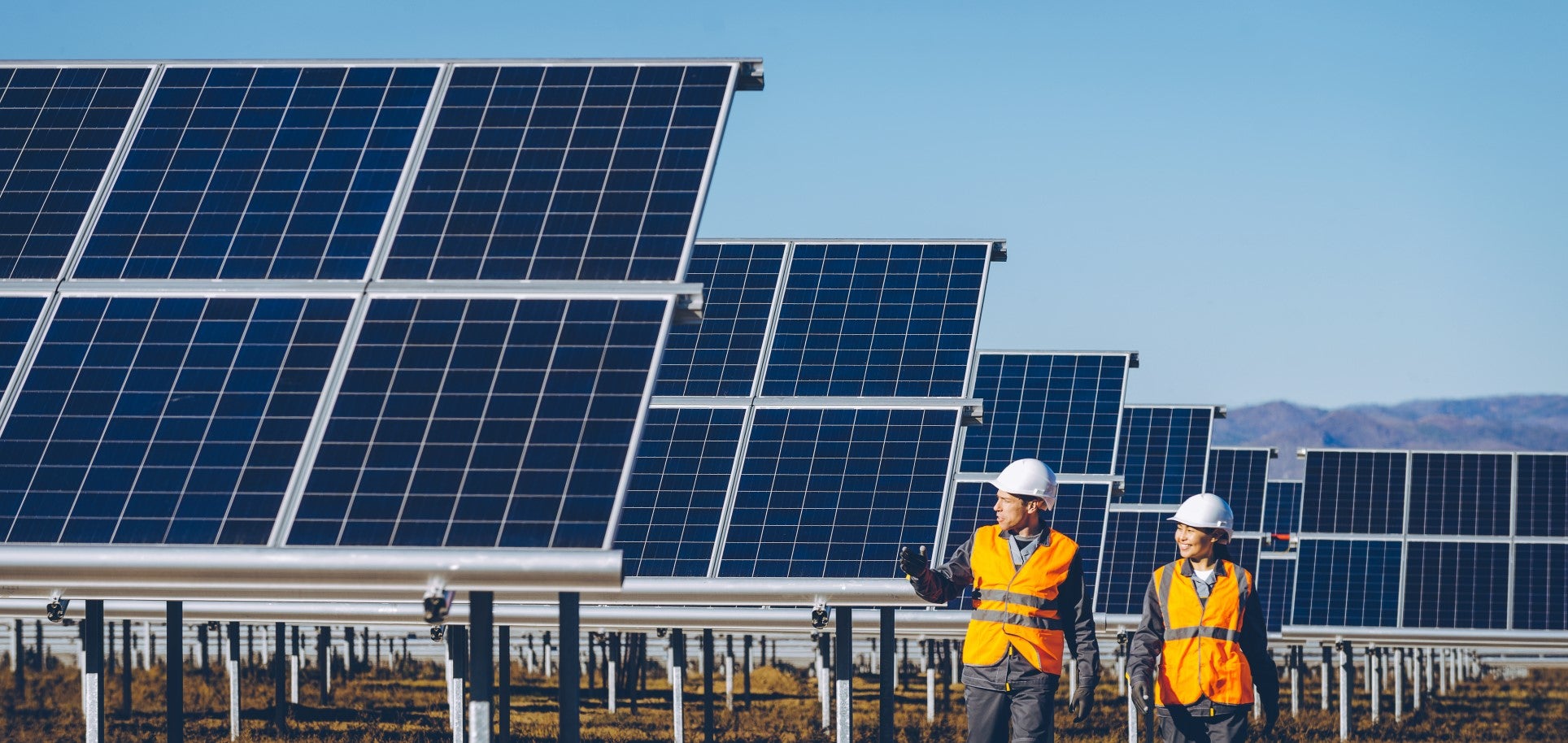
Four Climate-Smart Business Opportunities in Jamaica and the Caribbean
If we contemplate climate change long enough, it seems like we all lose. However, if you really want to talk about the equivalent of an unfair penalty or missed offside call, look around Jamaica. Ten hurricanes ravaged the country in the last five years, each causing damages of approximately US$100 million. The rainy season is longer, droughts follow that exacerbate agricultural deficits, and the sea level is rising 3.5 mm year. Climate change affects Jamaica and other Caribbean islands disproportionately. And Jamaicans contribute very little to its causes.


[caption id="attachment_1281" align="alignleft" width="300"] Tourist resorts in Jamaica stand to benefit from more sustainable, climate-smart business models[/caption]
Ports, urban infrastructure, fisheries, public health, tourism, agriculture and more are vulnerable to the extreme weather patterns. Jamaican businesses stand to add value environmentally, socially and financially by embracing sustainability, especially in the following sectors:
- Agriculture in Jamaica represents 33 percent of the labor force. If the sector continues with business-as-usual, it will have 25 percent less arable land by 2050, according to University of West Indies Mona. But relatively small investments can bring returns. Adaptation strategies empower farmers to minimize weather risks and cultivate high-value, weather-resistant crops. Large and multinational companies that depend on supply chains could benefit from raising awareness and providing training to ensure the long-term sustainability of suppliers, most of whom are farmers. Local commercial banks have opportunities to provide financing and guarantees for crop switching, soil conservation, drip irrigation systems and reforestation, to name a few.
- Energy efficiency: Already Jamaica is incubating and fast-tracking lower-emission, lower-cost solutions such as solar control films, cool roofs and more efficient air conditioning. Running Jamaica’s buildings is more expensive than in any other country in the world, so companies and government could save a lot by making infrastructure investments that incorporate energy efficiency from project design.
- Renewable energy: Investments in wind, solar, hydro and biomass promise alleviation from Jamaica’s exorbitant electricity costs – a significant barrier to economic growth. Renewables could lower the average electricity costs 67 percent from US$0.22 to US$0.07 per kWh by 2030, says the Jamaica Sustainable Energy Roadmap. The possibility exists that, with sufficient political will and business interest, Jamaica could meet its electricity demand solely with renewables. For example, the Worldwatch Institute report suggests that ten medium wind farms could supply 50 percent of current power needs. Twenty-five percent could come from seven square kilometers of solar PV panels; and agriculture waste-fueled biomass generation 10 percent more. Few private energy developers are in Jamaica at present. Multilaterals and donor funds like Climate Investment Funds are well-positioned to partner and take some of the first-mover risks involved.
- Tourism in Jamaica makes up 30 percent of GDP, and its expansion is a source of jobs and private sector growth. Climate-friendly investments include sustainable agricultural supply chains, the incorporation of renewable energy and energy efficiency in hotels, restaurants, boats and other tourist establishments. Right now in Kingston, the IDB is financing the country’s first-ever LEED-certified hotel with state-of-the-art insulation and solar panels to heat water and minimize its footprint. The hotel will be less expensive to operate and more inclined to attract eco-conscious travelers. Hopefully this example could raise the bar for new construction in tourism.
The risks of climate change in the Caribbean are clear. So let’s focus on the opportunity for committed and sustainable businesses to enter markets and thrive. Launching sustainable ventures in agriculture, energy efficiency, renewable energy and tourism offer several ways to come out winners.
Authors

Elizabeth Nicoletti
Elizabeth Nicoletti maneja comunicaciones ejecutivas y participación de partes interesadas en BID Invest, donde cubre proyectos complejos de infraestructura con asuntos de riesgo contextual y reputacional además de liderar las comunicaciones para la Oficina del Gerente General. Antes trabajaba en la Vicepresidencia del Sector Privado y Operaciones sin Garantía Soberana como una redactora de discursos, y en la División de Mercados Financieros del Banco Interamericano de Desarrollo (BID). Antes de llegar al Grupo BID, Elizabeth trabajó en la Corporación Financiera Internacional (IFC, por sus siglas en inglés) en Washington, DC, la Fundación Chol-Chol en Temuco, Chile y el Centro Internacional de Investigación de la Mujer (ICRW, por sus siglas en inglés) en Washington, DC. Elizabeth cuenta con una maestría en economía internacional de Johns Hopkins University, School of Advanced International Studies (SAIS) y es licenciada de Georgetown University de Washington, DC.
LIKE WHAT YOU JUST READ?
Subscribe to our mailing list to stay informed on the latest IDB Invest news, blog posts, upcoming events, and to learn more about specific areas of interest.
SubscribeFinancial Institutions
Related Posts

Governance and Succession: Securing the Future of Mexico’s Nonbank Financial Institutions
IDB Invest study: key findings and a roadmap to strengthen governance and CEO and senior management succession planning in nonbank financial institutions (NBFIs).
Facing the Storm: How IDB Invest Supports Caribbean Private Sector Resilience
IDB Invest is partnering with the Green Climate Fund to help Caribbean businesses better withstand future climate shocks through blended finance and technical assistance.

Reimagining the Future of Finance in Latin America and the Caribbean
At the FinnLAC Forum 2025 in Miami, the IDB Group hosted over 500 industry leaders and experts to help redefine the future of finance in Latin America and the Caribbean. The event focused on improving the ability of individuals and companies to better manage their finances, withstand economic shocks, and invest in their long-term prosperity. By highlighting innovations that broaden access, strengthen resilience, and promote overall financial health, the forum set the stage for more sustainable financial systems across the region.