
Finance adapts to climate change
Climate change is already a real threat that affects macroeconomic variables and company results in Latin America and the Caribbean. For example, Peru may not be able to reach its inflation target this year due to the rise in agricultural prices caused by atypical rains. In Colombia, insurers face pressure on their risk rating due to recent landslides and floods. In the Dominican Republic, the trade deficit and the exchange rate are being affected by the impacts of climate change on agricultural exports.
In effect, Latin America and the Caribbean lose an average of 1.21% of their gross domestic product (GDP) due to economic damages associated with climate change, according to the Climate Risk Index 2017. These events are geographically dispersed but are occurring with increasing frequency and generating unanticipated costs. The impact of climate change is all around us: from damaged roads and destroyed bridges that keep products from reaching their market to changes in agribusinesses such as coffee and cacao quality and harvest. It is even reflected in the risk to business continuity that a company may have when obtaining a bank loan.
[clickToTweet tweet="#Latam & #Caribbean lose near 1.21% of GDP due to economic damages associated with #climatechange" quote="Latin America and the Caribbean lose an average of 1.21% of their GDP due to economic damages associated with climate change"]
For this reason, more than 280 investors are taking steps to ensure that climate-related risks are formally presented, so as to make more informed decisions. This new process, associated with new regulations and reduced technology costs, is generating a tendency to divest stranded assets. In addition, institutional investors now prefer cleaner sectors, such as solar power. This opens up a window of opportunity, where financial institutions in Latin America and the Caribbean are already taking the lead.
What are the opportunities for the financial sector?
Climate change is accelerating the transition to more flexible, greener, and more circular economies. In Latin America and the Caribbean, we see how the financial sector is developing and using financial products that can only be explained by the existence of climate change:
Green bonds for financial institutions. Green and/or climate bonds are a new financing option and have begun to grow rapidly in the region with solar energy projects under way, such as Solar City in Mexico.
Investment funds. Ecotierra’s Canopy Fund is an example of this, in that it seeks to diversify the risks associated with climate change in the production of coffee and cacao, attracting both impact investors and traditional financing for such supply chains.
Climate finance. Climate finance has helped to launch public-private partnerships (PPP). For example, in Chile, public lighting is being replaced by LED technology, with the support of the Canadian Climate Fund for the private sector in the Americas (C2F).
Changes in business models. Banks are beginning to internalize climate change in credit ratings, for example by analyzing the flow of each of their clients according to the segment to which they belong.
In IDB Invest (formerly known as Inter-American Investment Corporation), the private sector arm of the IDB Group, we are developing approaches and tools to make it possible to reduce and transfer investment risks, facilitate the development of PPPs and promote financial innovation to adapt financial products to the new unstable reality presented by climate change.
These are just a few examples of how to take advantage of climate finance. What is clear is that climate change is an opening emerging sector that require specific financing. Those financiers that adapt are gaining the benefits as first-movers.
Subscribe to receive more content like this!
[mc4wp_form]


Climate change is already a real threat that affects macroeconomic variables and company results in Latin America and the Caribbean. For example, Peru may not be able to reach its inflation target this year due to the rise in agricultural prices caused by atypical rains. In Colombia, insurers face pressure on their risk rating due to recent landslides and floods. In the Dominican Republic, the trade deficit and the exchange rate are being affected by the impacts of climate change on agricultural exports.
In effect, Latin America and the Caribbean lose an average of 1.21% of their gross domestic product (GDP) due to economic damages associated with climate change, according to the Climate Risk Index 2017. These events are geographically dispersed but are occurring with increasing frequency and generating unanticipated costs. The impact of climate change is all around us: from damaged roads and destroyed bridges that keep products from reaching their market to changes in agribusinesses such as coffee and cacao quality and harvest. It is even reflected in the risk to business continuity that a company may have when obtaining a bank loan.
[clickToTweet tweet="#Latam & #Caribbean lose near 1.21% of GDP due to economic damages associated with #climatechange" quote="Latin America and the Caribbean lose an average of 1.21% of their GDP due to economic damages associated with climate change"]
For this reason, more than 280 investors are taking steps to ensure that climate-related risks are formally presented, so as to make more informed decisions. This new process, associated with new regulations and reduced technology costs, is generating a tendency to divest stranded assets. In addition, institutional investors now prefer cleaner sectors, such as solar power. This opens up a window of opportunity, where financial institutions in Latin America and the Caribbean are already taking the lead.
What are the opportunities for the financial sector?
Climate change is accelerating the transition to more flexible, greener, and more circular economies. In Latin America and the Caribbean, we see how the financial sector is developing and using financial products that can only be explained by the existence of climate change:
- Green bonds for financial institutions. Green and/or climate bonds are a new financing option and have begun to grow rapidly in the region with solar energy projects under way, such as Solar City in Mexico.
- Investment funds. Ecotierra’s Canopy Fund is an example of this, in that it seeks to diversify the risks associated with climate change in the production of coffee and cacao, attracting both impact investors and traditional financing for such supply chains.
- Climate finance. Climate finance has helped to launch public-private partnerships (PPP). For example, in Chile, public lighting is being replaced by LED technology, with the support of the Canadian Climate Fund for the private sector in the Americas (C2F).
- Changes in business models. Banks are beginning to internalize climate change in credit ratings, for example by analyzing the flow of each of their clients according to the segment to which they belong.
In IDB Invest (formerly known as Inter-American Investment Corporation), the private sector arm of the IDB Group, we are developing approaches and tools to make it possible to reduce and transfer investment risks, facilitate the development of PPPs and promote financial innovation to adapt financial products to the new unstable reality presented by climate change.
These are just a few examples of how to take advantage of climate finance. What is clear is that climate change is an opening emerging sector that require specific financing. Those financiers that adapt are gaining the benefits as first-movers.
Authors

Enrique Rebolledo
Enrique Rebolledo es oficial de sinergias público privadas en cambio climático en BID Invest, con más de 16 años de experiencia en financiación cli
LIKE WHAT YOU JUST READ?
Subscribe to our mailing list to stay informed on the latest IDB Invest news, blog posts, upcoming events, and to learn more about specific areas of interest.
SubscribeFinancial Institutions
Related Posts

Governance and Succession: Securing the Future of Mexico’s Nonbank Financial Institutions
IDB Invest Study: Key Findings and a Roadmap to Strengthen Governance and CEO and Senior Management Succession Planning in Nonbank Financial Institutions (NBFIs).
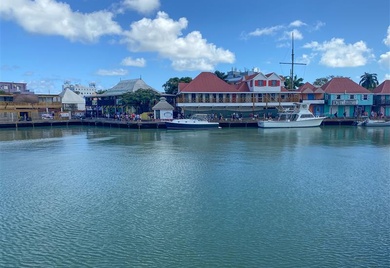
Facing the Storm: How IDB Invest Supports Caribbean Private Sector Resilience
IDB Invest is partnering with the Green Climate Fund to help Caribbean businesses better withstand future climate shocks through blended finance and technical assistance.

Reimagining the Future of Finance in Latin America and the Caribbean
At the FinnLAC Forum 2025 in Miami, the IDB Group hosted over 500 industry leaders and experts to help redefine the future of finance in Latin America and the Caribbean. The event focused on improving the ability of individuals and companies to better manage their finances, withstand economic shocks, and invest in their long-term prosperity. By highlighting innovations that broaden access, strengthen resilience, and promote overall financial health, the forum set the stage for more sustainable financial systems across the region.