
Data gaps and women entrepreneurs: why they matter

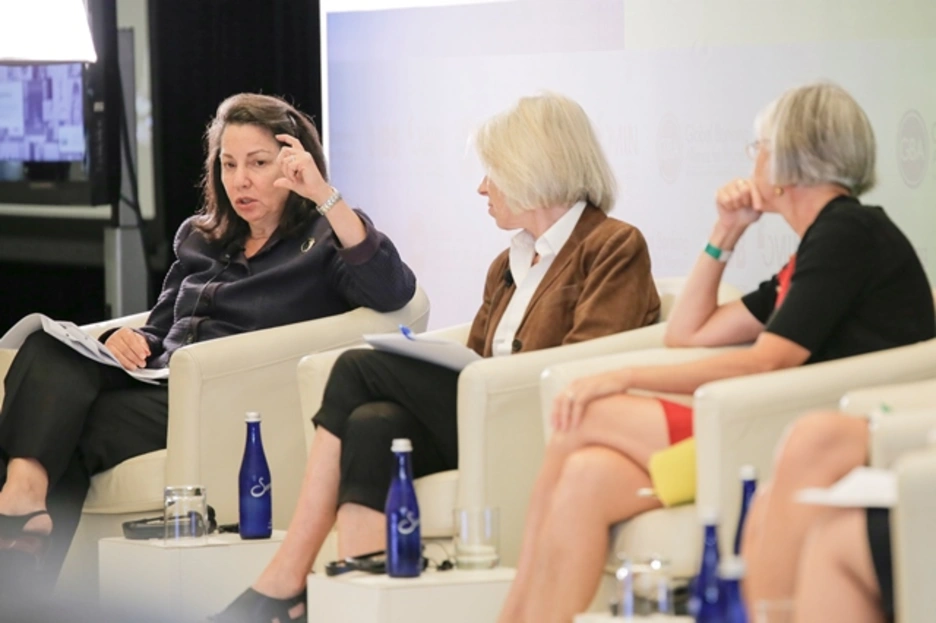
[caption id="attachment_2141" align="alignleft" width="448"] Data gaps and women entrepreneurs[/caption]
Question 1: What share of surveyed banks in Latin America collect gender-disaggregated data and use that data in their operational decisions?
Question 2: What share of bankers surveyed believes that the market for women-led small businesses is unserved or underserved?
Perhaps you will find the answers as surprising as we did: less than 30 percent of banks surveyed disaggregate data by gender and use this information in their operations. Yet less than 10 percent of bankers surveyed believe that the women’s market is unserved or underserved.
It’s a stark example of the dangers of forming opinions without relevant data. Bankers appear very confident that the market for women clients is well served. Yet more than half of banks lack the information they need to know how well women are served, even by their own institution.
The demand-side data from the perspective of businesses tell a different story. The World Bank Group’s Enterprise Surveys report that for women-owned small businesses in Latin America and the Caribbean, banks finance only 21 percent of their needs for working capital, and 22 percent of their needs for capital investment.
So we see a big disconnect between the perceptions of banks on the credit-supply side, and of businesses on the demand side.
We learned from bank after bank at the GBA summit that it’s worth the effort for banks to serve women-led businesses. We heard about striking results from a bank in Lebanon that has pursued this market. Tania Moussallem leads BLC Bank’s We initiative, which provides a holistic set of services to women entrepreneurs. Her metrics showed
- Women customers are more profitable than men customers. BLC Bank’s average profit margin on loans is 15 percent higher for women-owned small businesses than for their men-owned counterparts.
- Women clients’ businesses are growing faster. Sales growth is 26 percent higher for women clients’ businesses than men clients’ businesses in both the small and medium-sized business segments for BLC Bank’s customers.
- This women’s market program has achieved a 30 percent internal rate of return, calculated on a conservative basis.
The growing number of banks joining GBA is convinced that the risk of failing to go after this huge underserved market is far greater than the risk of serving new clients that are not as well understood. GBA provides its members with how-to manuals, study tours, and other tools to understand the opportunities of the women’s market for banks and how to seize them.
Development banks have a critical role to play. They can share some of banks’ first-mover risks and costs (see our women entrepreneurshipBanking initiative); test new scalable lending methodologies that work for women; develop effective training, mentoring, and networking programs for women entrepreneurs; and strengthen women’s access to other essential financial services, such as savings and early-stage equity.
We at the Multilateral Investment Fund are convinced that empowering women, including women entrepreneurs, is fundamental to our goal of achieving broad impact.
We have only just begun to see the kinds of results the women’s market can produce—for women and their families, for banks that serve them or could serve them, and for the economies that benefit from the growth of women’s businesses. But collectively, we won’t make the kinds of investments we need unless we measure these results.
As former U.S. Secretary of State Hillary Clinton has said, “data not only measures progress, it inspires it.”
Nancy Lee is the General Manager of the Multilateral Investment Fund at the Inter-American Development Bank.
Escrito por

Autor invitado
¿TE GUSTA LO QUE ACABAS DE LEER?
Suscríbase a nuestra newsletter para mantenerse informado sobre las últimas noticias de BID Invest, publicaciones de blog, próximos eventos y para obtener más información sobre áreas específicas de interés.
Suscribirse{{ raw_arguments.field_category_target_id }}
Posts Relacionados

Innovación coreana para transformar los agronegocios en América Latina y el Caribe
Descubre cómo BID Invest conecta a empresas agroindustriales de la región con innovadores líderes en Corea para acelerar la agricultura inteligente, la agrotecnología y el crecimiento sostenible.
La transformación digital redefine la competitividad agrícola en América Latina y el Caribe
Cada vez que una empresa agrícola decide cuándo regar, qué insumos aplicar, cómo comercializar o transportar su producción, el uso de datos y soluciones tecnológicas al servicio del negocio se convierte en una ventaja competitiva clave.

Combatir la pobreza multidimensional desde el sector privado requiere mucho más que empleos
Para Danper, empresa peruana líder en el sector agroalimentario mundial, conocer las condiciones de vida de sus trabajadores y sus familias es fundamental para reforzar acciones que mejoren su bienestar.