
Posts by Gender

Por qué digo que no a los paneles de solo hombres
Como alguien que trabaja en desarrollo internacional, a menudo participo en debates sobre igualdad de género. Lamentamos que haya muy poca participación de mujeres emprendedoras, clientes de bancos, líderes políticos y directoras ejecutivas.

Would a women’s club break the hegemony of the men’s club?
* By Maria Teresa Villanueva and Ana Isabel Rodríguez Iglesias You could play a game to find the seven differences in photographs of boards of chambers of commerce in Latin America and the Caribbean. At first glance, they all look very similar: white men between 50 and 60 years old, wearing suits and ties. A quick review of the composition of boards or councils of seven chambers of commerce in the region (in Argentina, Chile, Colombia, Jamaica, Mexico, Panama, and Peru) reveals that 91% of their members are men and only 9% are women.

Three surprising habits of highly productive women in the private sector
In Argentina, 61 percent of mothers work outside the home. In Chile, the US and Mexico, those numbers are 59 percent, 57 percent and 42 percent, respectively. Globally, that percentage is growing. As I prepare to join these women after the birth of my second child, I know I must find ways to be more productive and disciplined in my corporate environment. To tackle this, I spent my last weeks of maternity leave seeking the advice of the most highly productive women in the private sector I know. Their surprising answers on work-life balance, professional success and doing more with less offer tools for women, men and companies more broadly.
Three ways multilaterals support local banks and drive innovation in the Caribbean
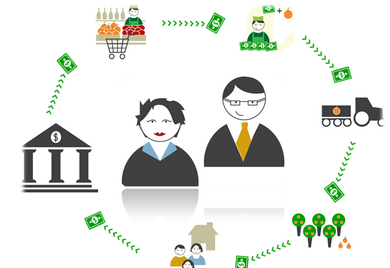
Local banks are a core component of the market architecture in Latin America and the Caribbean with the potential to catalyze innovation and growth. As I return from the Americas Competitiveness Forum in Trinidad & Tobago, my third visit to the country this year, I am reminded how dynamic and innovative its business environment is and how multilaterals can better engage Caribbean business. Here are three ways we support local banks and drive innovation.
Data gaps and women entrepreneurs: why they matter
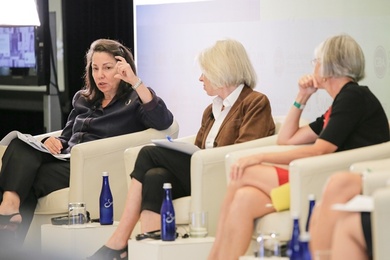
* By Nancy Lee, General Manager, Multilateral Investment Fund While moderating a panel at the annual summit of the Global Banking Alliance for Women on gaps in data about the women’s market, I briefed the audience of about 200 on the gender-related results of a 2013 survey by FELABAN, the Latin American bankers’ association. The survey posed two questions to regional bankers regarding use of data broken down by gender and how banks serve their women clients.
Soccer and women: not just something men talk about
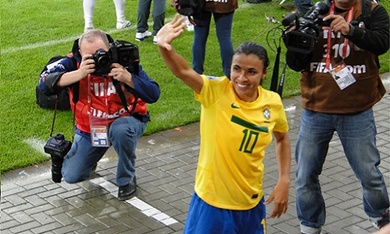
Well done Germany! The German national football team is the winner of the FIFA 2014 World Cup that ended Sunday at the Maracanã stadium in Rio de Janeiro. The next time a men’s soccer team holds the FIFA World Cup trophy will be four years from now in Russia. As Die Nationalmannschaft were congratulated by two female heads of state; Brazil’s Dilma Rousseff and Germany’s Angela Merkel, another important event came to mind: the FIFA 2015 Women’s World Cup in Canada