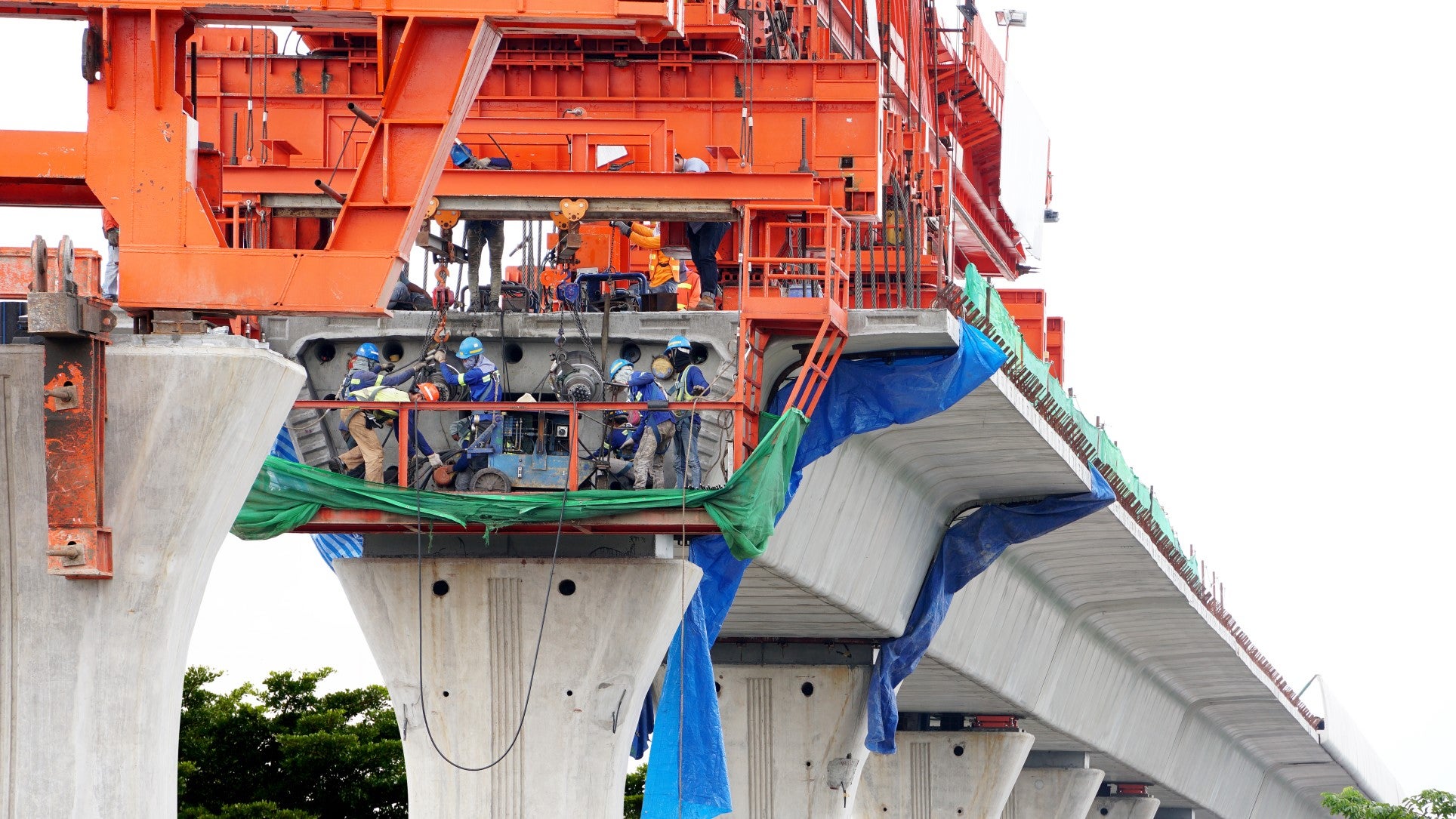
The investor world and green growth


 These real economy initiatives point toward a post-industrial culture that recognizes natural resources as scarce and valuable goods. And this culture seems to be spreading.
How do I know? Let’s look at the investor world.
In a letter this April to global leaders, BlackRock’s CEO Larry Fink sounded a wakeup call. He encouraged the companies of the S&P 500 to play a greater role in long-term value creation. Six weeks later his firm launched an investor guide in partnership with Ceres called 21st Century Engagement. The guide includes case studies by institutional investors, explaining how they engage companies on the environmental and social sustainability of their operations.
Portfolios that embrace sustainability, green growth and other impact strategies are growing. In the US, for example, investors witnessed a 76% growth in two years. The 2014 Forum for Sustainable and Responsible Investment report estimates that there are nearly $6.6 trillion in “sustainable” assets under management. Investing in socially and environmentally responsible companies is seen as a fiduciary duty and a means of growing long-term asset values. And while there is much more work to be done, some investors are taking the lead.
For example, California State Teachers Retirement System (CalSTRS) has successfully engaged with companies on issues of diversity, climate change, energy efficiency and sustainable business practices. At T. Rowe Price, engagement and proxy voting activities on environmental and social issues are integrated into their equity investment process.
At the Inter-American Development Bank, we have seen increased interest from institutional investors to play a role in Latin America and the Caribbean’s green growth. Reventazon, Costa Rica’s largest renewable energy project that captures carbon offsets and touts a biodiversity initiative had a $135 million B-loan disbursed from institutional investors with a 20 year tenor. This was a record tenor and private placement.
And on the divestment front, the Guardian recently reported that 180 organizations have divested over $50 billion in fossil fuel company stocks. The highest profile of the entities is Norway’s Government Pension Fund Global. Norway’s US$850 billion fund divested from 22 companies based on their high carbon emissions and impacts to climate change.
The investor world controls large sums of money. This money can influence broad-scale business decisions that can have a ripple effect. With climate change threatening economic activity and livelihoods, what we do with that money is more critical than ever. Strategically allocating assets now will accelerate our transition to a low-carbon economy. Let’s not waste this precious opportunity.
Escrito por

Hans Schulz
Hans Schulz es asesor independiente de inversiones sostenibles emergentes. Previamente, se desempeñó como vicepresidente interino del Sector Privado y Operaciones sin Garantía Soberana del Banco Interamericano de Desarrollo (BID), y como Gerente General del Departamento de Financiamiento Estructurado y Corporativo, donde supervisaba las operaciones del sector privado del Banco en materia de infraestructura, mercados financieros, industrias y servicios, y salud y educación. Previamente, Hans dirigió el grupo de mercados financieros y condujo la creación del Programa de Facilitación del Financiamiento al Comercio Exterior del BID. También ejerció el cargo de Asesor Senior sobre el Sector Privado al Vice Presidente Ejecutivo del BID. Antes de ingresar al BID, Hans se desempeñó en la Corporación Andina de Fomento (CAF) en Venezuela, la Oficina de la Comisión Económica para América Latina y el Caribe (CEPAL) en Chile, y en WestLB en Alemania. Hans es ciudadano alemán y posee una maestría en economía de Southern Illinois University y licenciaturas en economía y administración y empresas de la Universidad de Marburg en Alemania.
¿TE GUSTA LO QUE ACABAS DE LEER?
Suscríbase a nuestra newsletter para mantenerse informado sobre las últimas noticias de BID Invest, publicaciones de blog, próximos eventos y para obtener más información sobre áreas específicas de interés.
Suscribirse{{ raw_arguments.field_category_target_id }}
Posts Relacionados

Innovación coreana para transformar los agronegocios en América Latina y el Caribe
Descubre cómo BID Invest conecta a empresas agroindustriales de la región con innovadores líderes en Corea para acelerar la agricultura inteligente, la agrotecnología y el crecimiento sostenible.
La transformación digital redefine la competitividad agrícola en América Latina y el Caribe
Cada vez que una empresa agrícola decide cuándo regar, qué insumos aplicar, cómo comercializar o transportar su producción, el uso de datos y soluciones tecnológicas al servicio del negocio se convierte en una ventaja competitiva clave.
Combatir la pobreza multidimensional desde el sector privado requiere mucho más que empleos
Para Danper, empresa peruana líder en el sector agroalimentario mundial, conocer las condiciones de vida de sus trabajadores y sus familias es fundamental para reforzar acciones que mejoren su bienestar.